
What is a Canvas Print without Frame
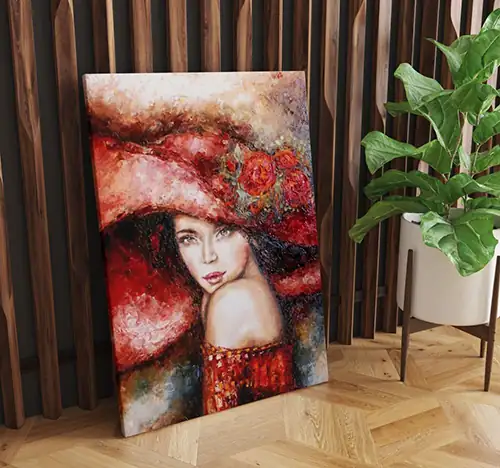
Canvas prints have become one of the most popular ways to display artwork, photography, and personalised designs in modern homes.
Over the past decade, canvas printing has grown from a niche trend into one of the most widely used wall-art formats in the UK. Part of this evolution includes various finishing styles, framed canvases, floating frames, gallery-wrapped prints, split canvas prints, and, of course, canvas prints without a frame.
A canvas print without a frame, also known as an unframed canvas print or rolled canvas print, offers a minimalist, contemporary alternative to traditional framed artwork.
It also opens up unique creative and practical possibilities that framed canvas prints simply cannot offer. This extensive guide will explore what these canvas prints are, how they differ from other canvas styles, why people buy them, how to display them, and what to consider before ordering one.
Whether you’re decorating a home, planning a gallery wall, producing artwork for sale, or simply exploring printing options for your favourite photos, this article will give you an expert-level understanding of unframed canvas prints.
What Exactly Is a Canvas Print Without a Frame?
At its core, a canvas print without a frame is a printed piece of canvas material that is not stretched over a wooden frame. Instead of being pulled tightly around a stretcher bar and stapled at the back (as with gallery-wrapped canvases), the printed canvas remains loose, flexible, and rolled, similar to how posters are delivered.
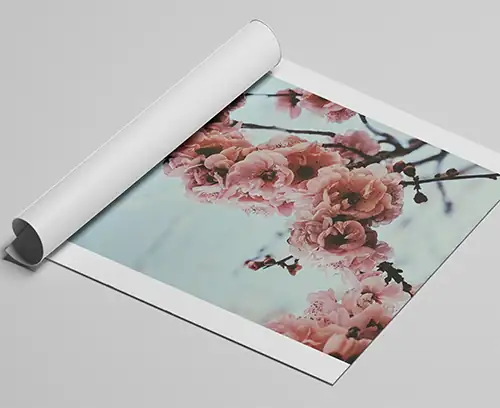
Though simple in concept, this structure opens up a wide range of advantages:
-
The canvas surface remains perfectly flat and unwarped
-
It can be shipped, stored, or transported easily
-
The user can choose their own stretching method or a custom frame
-
Artists can sign or varnish the piece before mounting
-
It is often more affordable than a stretched canvas
Unframed canvas prints give the buyer complete control over the finishing process, making them a favourite among artists, collectors, and customers who want maximum customisation.
How Unframed Canvas Prints Are Made
Although canvas prints without frames may appear simple at first glance, the process behind creating them is remarkably detailed and highly technical. The production begins with selecting the correct canvas material, which usually falls into one of two categories: cotton canvas or poly-cotton blends.
Cotton canvas is often considered the gold standard for fine art reproduction because of its natural texture and superior ability to hold pigment. Meanwhile, poly-cotton blends offer enhanced durability and resistance to humidity, making them suitable for customers who value longevity and structural resilience.
In both cases, the fabric typically features a matte or lightly satin finish, ensuring that light reflections remain subtle and that the imagery remains clear and vibrant under various lighting conditions.
Next comes the printing stage, where high-end, large-format printers, often using giclée technology, apply pigment-based inks to the canvas surface.
Giclée printing is prized for its exceptional colour accuracy and ability to retain detail in both shadowed areas and bright highlights. These printers can feature up to twelve separate ink channels, which allows for a broader colour gamut and smoother tonal transitions.
Each drop of ink is carefully placed with microscopic precision, forming an image that rivals traditional gallery artwork.
After printing, the canvas is allowed to cure. This curing time is essential because it enables the pigments to bind securely to the material, reducing the likelihood of smudging, fading, or ink transfer.
Once cured, the canvas is trimmed to size. At this stage, printers add extra borders if the customer plans to stretch the canvas later.
Without these margins, stretching becomes nearly impossible, as the image would wrap improperly around the wooden bars.
After trimming, the canvas is rolled carefully around a protective core. This is a delicate step because the surface must not crease or crack, especially when dealing with large prints.
The rolled canvas is then placed inside a heavy-duty tube designed to withstand the pressure and handling associated with shipping. The final product is a pristine, flexible print that the customer can stretch, frame, mount, or display however they choose.
Unframed vs Framed Canvas Prints: Key Differences
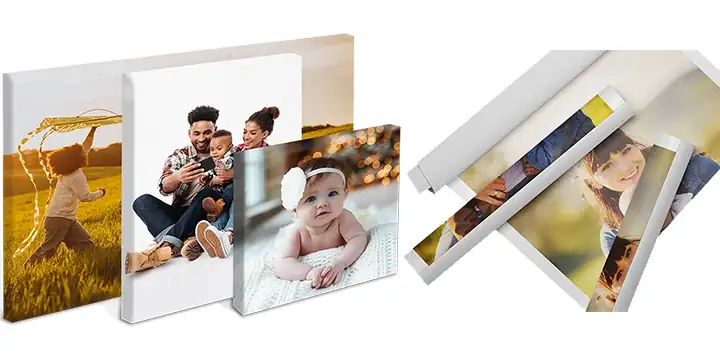
Understanding what sets unframed canvas prints apart from their framed counterparts is essential for choosing the right product for your space.
The most obvious difference is structure. A framed canvas arrives already stretched over wooden bars, often with an additional outer frame that complements the artwork. It is rigid, stable, and ready to hang as soon as it emerges from the box.
In contrast, an unframed canvas print is completely flexible, delivered as a rolled material that must be stretched or mounted by the customer or a framer. This flexibility allows for more freedom but also introduces the need for additional handling.
Visually, the two formats offer notably different aesthetics. A framed canvas appears complete and polished, presenting itself as a finished piece suitable for immediate display. The edges are clean, the tension is perfect, and the artwork has a professional gallery feel.
An unframed canvas, on the other hand, feels raw and organic. It resembles traditional art canvases before they are stretched, making it appealing to artists, DIY decorators, and customers who prefer to customise their wall art.
Some people even choose to hang unframed canvases with clips or pins for an intentionally artistic, studio-inspired look.
Cost is another point of difference. Because framed canvases require more materials such as wood, staples, frame mouldings, and involve additional labour such as stretching, alignment, and quality checks, they are naturally more expensive.
Unframed prints eliminate these steps, resulting in a more budget-friendly option without sacrificing print quality. This affordability makes them attractive for bulk orders, art fairs, or large decorative projects where framed prints might exceed budget constraints.
Shipping and storage also favour unframed prints. A stretched canvas, while beautiful, is vulnerable during transit. It can be dented, punctured, or warped if handled incorrectly.
Unframed prints travel rolled in tubes, making them far less prone to damage. They also take up less space, which is extremely useful for artists or businesses storing large quantities of inventory.
Ultimately, the difference comes down to whether you prefer a ready-made solution or a flexible, customisable product that adapts to your creative needs.
Why Choose a Canvas Print Without a Frame?
People choose unframed canvas prints for a variety of practical and creative reasons, and the appeal extends far beyond cost savings.
One of the strongest motivations is flexibility. An unframed print gives you the freedom to decide exactly how you want the piece to look in its final form. You can experiment with different stretcher bar thicknesses, choose a floating frame that adds depth, or mount the canvas behind glass for a modern, poster-like aesthetic.
This level of personalisation is rarely available when purchasing a pre-framed canvas, which typically arrives with a fixed structure and design.
Another significant advantage is ease of transportation. For photographers and artists who frequently participate in exhibitions, markets, or gallery events, transporting stretched canvases can be a logistical challenge.
They take up considerable space, are easily damaged, and require careful handling. Rolled canvases eliminate these concerns. You can store dozens of prints in a single tube, making it possible to move large quantities of artwork with minimal effort.
This is especially attractive for international buyers, where shipping costs can double or triple the price of bulky framed pieces.
Unframed canvas prints are also ideal for gifting. Because they roll up neatly, they are easier to wrap, cheaper to send, and far less likely to be damaged before they reach the recipient.
The person receiving the gift then has the added pleasure of choosing how they want to display it. This personal involvement can make the gift feel more meaningful, especially in cases of wedding photos, family portraits, or travel memories.
Beyond practical advantages, unframed canvas prints open up creative possibilities. Artists often prefer them because the lack of a frame allows them to add personal touches before the piece is mounted.
They might apply varnish, add texture using brushstrokes, or sign the canvas in a specific location. This transforms the print into a mixed-media piece that blends digital printing with traditional art techniques. For decorators, the freedom to choose framing options ensures that the artwork fits seamlessly with the room’s colour schemes, furniture, and style.
Best Uses for Unframed Canvas Prints
Unframed canvas prints lend themselves to an impressive range of applications, making them suitable for both personal and professional use.
In the home, they offer limitless opportunities for interior design. Many people choose unframed prints when planning a gallery wall because they want the prints to match in scale and frame style. By buying them unframed, they can create a cohesive display using identical floating frames, thin aluminium frames, or even handmade wooden frames that complement the room’s character.
This flexibility is especially valuable for people who enjoy updating their décor regularly.
As gifts, unframed canvas prints strike a perfect balance between meaningful and practical. Unlike framed artwork, which may not suit everyone's taste or décor style, an unframed print allows the recipient to choose the final display method.
This makes them ideal for birthdays, weddings, anniversaries, and holidays. The versatility means you can gift anything from sentimental family photos to modern abstract designs or inspirational quotes.
Artists and photographers often use unframed prints as their preferred format for selling their work. Because they are cheaper to produce and easier to transport, artists can stock larger quantities and offer multiple size options without worrying about storage limitations.
Buyers also appreciate receiving artwork in an unframed format, as it allows them to frame it according to their preferences and interior design needs. This also reduces the artist’s overall production cost, enabling competitive pricing.
In commercial environments, unframed canvas prints are valued for their adaptability. Businesses such as restaurants, hotels, office buildings, and retail stores often need custom artwork that complements their branding.
Buying unframed prints allows them to apply consistent framing styles across dozens or even hundreds of pieces. The result is a polished, unified look that enhances the brand identity. Moreover, because unframed prints ship inexpensively, large installations become more cost-efficient.
Displaying Unframed Canvas Prints
There are numerous ways to display an unframed canvas print, each offering a distinct aesthetic. One of the most traditional methods is stretching the canvas over wooden stretcher bars. This involves pulling the canvas tight across the frame, stapling it securely, and creating crisp edges.
Once stretched, the canvas can be hung on its own or placed in a frame. This method closely resembles how original paintings are prepared for galleries and keeps the artwork flat, stable, and visually refined.
Another popular method is mounting the canvas onto a backing board such as foam, MDF, or plywood. This approach is ideal for those who prefer a flat, poster-like appearance. Once mounted, the print can be placed in a traditional picture frame behind glass, offering a modern, polished finish.
This also protects the canvas from dust and accidental contact, making it especially suitable for areas like offices or public spaces where artwork must withstand daily exposure.
Some customers opt for a more casual or contemporary approach by hanging their unframed canvas using clips, binder clamps, or decorative rails. This creates a relaxed, artistic atmosphere reminiscent of design studios or creative workspaces.
Magnetic wooden rails are another increasingly popular choice. These rails grip the top and bottom edges of the canvas and suspend it cleanly, without causing damage. The result is a minimalist look that suits Scandinavian-inspired décor or modern interior spaces.
Floating frames, although requiring the canvas to be stretched first, remain one of the most visually striking display options. After stretching, the print is positioned inside a frame with a small gap between the canvas and the frame walls. This gap creates a shadow effect that makes the artwork appear suspended.
Floating frames are widely used in galleries and upscale interior design because they combine elegance with subtle depth.
Things to Consider Before Ordering
Before purchasing an unframed canvas print, it is important to take several factors into account to ensure the final result meets your expectations.
One of the most important considerations is the presence of adequate borders. If you plan to stretch the canvas, you must ensure there is enough excess material around the printed image. Without these borders, the canvas may not wrap correctly around the stretcher bars, leading to misaligned artwork or visible white edges.
Many printers offer mirrored borders, coloured borders, or extended backgrounds known as Gallery wrap, specifically for this purpose.
Resolution is another crucial factor. Because canvas prints are often displayed at large sizes, low-resolution images may appear pixelated or blurry when printed.
To achieve sharp, vivid results, the image should ideally be at least 120 DPI at the intended print dimensions. High-quality smartphone photos usually meet this requirement, but screenshots, compressed images, or social-media downloads often do not. When in doubt, it is always wise to ask your printer to check the image quality before printing.
You should also consider how and where the print will be displayed. Your choice of stretching, framing, or mounting will influence the size, border style, and even the finish of the canvas.
If the artwork will be placed in a bathroom, kitchen, or other humid environment, you may need a canvas with added protection, such as a UV or waterproof coating. Conversely, for rooms with direct sunlight, choosing a matte finish can help reduce glare and preserve visibility.
Finally, think about long-term maintenance. Canvas is a durable material, but like all artwork, it benefits from proper care. Avoid placing unframed canvases where they might absorb moisture or be exposed to extreme temperature fluctuations.
If you plan to store unframed prints for extended periods, keep them rolled loosely in their tubes to avoid creasing.
The Advantages of Professional Stretching vs DIY Stretching
Choosing between professional stretching and stretching a canvas yourself is an important decision. Professional stretching ensures a perfect finish, free from wrinkles, sagging, or uneven tension.
Experienced framers use specialised tools such as stretching pliers and industrial staplers, guaranteeing a smooth, even surface that will maintain its tension over time. For large prints or expensive artworks, this level of precision is invaluable. Professionally stretched canvases are also less likely to warp because the wooden bars are properly aligned and reinforced.
DIY stretching, however, appeals to those who enjoy hands-on projects or want to save money. With basic tools and a bit of practice, you can achieve excellent results at home.
This option is especially popular among artists who already work with canvas regularly, as well as people creating decorative pieces for personal use. Stretching the canvas yourself allows you to select the exact thickness of the stretcher bars, experiment with folding techniques, and customise the tension based on your preferences.
The choice ultimately depends on your priorities. If you prioritise perfection, consistency, and convenience, professional stretching is the best route. If you value creativity, cost savings, and a sense of involvement, DIY stretching can be both rewarding and effective.
How to Stretch a Canvas Print at Home
Stretching your own canvas can be a satisfying process if approached with patience and care. The key to success lies in working methodically. Begin by laying your print face down on a clean, soft surface to avoid scratching the image.
Assemble your stretcher bars into a rectangular frame, ensuring the corners fit snugly and that the frame sits perfectly square. Position the frame on top of the canvas, making sure that the borders align evenly on all sides.
Once everything is aligned, start applying tension by stapling the centre of one side, then move to the opposite side and staple its centre. Repeat this process on the remaining two sides. This cross-pattern technique helps maintain even tension across the entire surface.
After the centres are secured, gradually work your way outward, pulling the canvas gently but firmly as you add more staples. Keep the fabric smooth and avoid overstretching, as this can distort the image.
Corners are the final challenge. There are multiple folding techniques, but the simplest method involves tucking one flap under the other to form a crisp triangular fold.
Once the canvas is fully stretched, examine the surface for any ripples or slack. If necessary, adjust the tension by removing a few staples and re-stretching the affected area. When everything looks perfect, trim away any excess fabric, and your canvas is ready to hang or frame.
Caring for and Maintaining an Unframed Canvas
Proper care ensures your canvas remains beautiful for years. When handling unframed prints, always roll them loosely rather than folding them, as creases can permanently damage the surface.
Store them in a cool, dry environment, ideally inside protective tubes. Avoid humid areas such as basements or unventilated bathrooms, as moisture can cause mould or warping.
When the canvas is stretched and displayed, keep it away from direct sunlight to prevent UV fading. Dust it occasionally with a soft, dry cloth to maintain a clean surface. Avoid using cleaning sprays, water, or chemicals, as these can damage the pigments or loosen the canvas tension. With proper maintenance, a high-quality canvas print can last several decades, retaining its vibrancy and structural integrity.
Common Myths About Unframed Canvas Prints
There are several misconceptions surrounding unframed canvas prints, many of which come from misunderstandings about the material or production process.
One common myth is that unframed canvases look cheap or unfinished. In reality, these prints can be transformed into stunning works of art once stretched or framed. Their visual impact depends entirely on how the customer chooses to display them.
Another misconception is that unframed prints are only intended for artists or professionals. While many artists prefer them for their flexibility, unframed prints are equally suitable for anyone who wants to customise their décor.
A further myth suggests that working with unframed canvases is difficult or requires special skills. While stretching does involve technique, it is not overly complicated, and countless beginners achieve excellent results on their first attempt.
Some people also believe unframed prints are less durable or fade faster than framed ones. In truth, the longevity of the print depends on the quality of the materials and inks, not on whether it is stretched. High-quality canvas and archival pigment inks last for decades when properly cared for.
When You Should Not Choose an Unframed Canvas Print
Despite their many benefits, unframed canvas prints are not ideal for everyone. If you prefer a ready-to-hang solution with minimal effort, a framed or stretched canvas is a better choice. Unframed prints require additional steps before they can be displayed, and some people simply prefer the convenience of artwork that arrives fully finished.
Unframed prints may also be unsuitable for environments with high humidity unless laminated or coated.
If you lack the tools or confidence to stretch the canvas yourself and do not want to pay extra for professional stretching, you may find framed canvases more practical.
Finally, if you need a gift that must be immediately displayed, a stretched canvas may offer a more polished presentation.