
What is a Mirror Wrapped Canvas
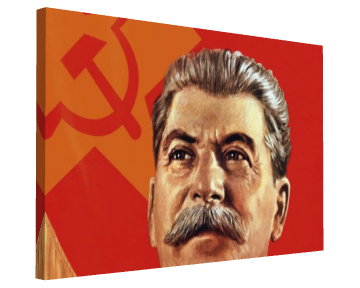
Canvas printing has become one of the most popular ways to display photography and artwork in homes, offices, galleries, and public spaces.
Among the many finishing styles that canvas printers offer, such as gallery wrap, colour wrap, and framed canvas, the mirror wrap remains one of the most practical yet visually seamless choices.
It is especially valued for its ability to transform photographs that do not have enough edge space into elegantly wrapped canvases without losing important parts of the composition.
Despite being widely used, many buyers do not fully understand what a mirror wrap actually is, why it exists, or where it is most effective.
What Exactly Is a Mirror Wrap Canvas?
A mirror wrap canvas is a type of canvas print where the edges of the image, rather than being cropped or extended with a solid colour, are reflected outward along the sides of the frame.
Imagine holding a photograph up to a mirror and seeing the edges reflected back toward you. A mirror wrap applies this same effect digitally, taking the outer few centimetres of the original image, flipping them, and stretching this reflection around the sides of the canvas frame.
This technique allows the main front-facing portion of the image to remain unchanged while the visible edges of the canvas maintain a cohesive, continuous look. The result is a wrapped canvas with sides that blend naturally into the image instead of abruptly ending or cutting off important details.
Mirror wrap solves one of the most common issues in canvas printing: many photos do not have enough “bleed” or spare background to wrap around the stretcher bars.
Wrapping photographs without sufficient border space often leads to chopping off people’s heads, losing important architectural elements, or distorting objects in a way that detracts from the composition.
Mirror wrap avoids all of these problems while still providing the premium, finished appearance of a wrapped canvas.
How Mirror Wrap Is Created
Mirror wrapping is a deliberate digital design technique, carried out during the pre-printing stage. To create the mirrored edge, the printer or designer selects a border area around the photo, usually between 1.5 and 2.5 inches, depending on the depth of the stretcher bars.
This selected border is then duplicated, flipped horizontally (or vertically), and aligned around the sides of the canvas layout.
This process results in a perfect reflection of the outer areas. The mirrored section will not include the centre of the image; instead, it only uses the very edges.
This is crucial for maintaining the integrity of the original composition. Once mirrored, the extended areas are merged into the file and prepared for printing, resulting in a seamless border.
After printing, the canvas is stretched tightly around the stretcher bars.
Because the mirrored portion is already integrated into the printed output, the edges remain perfectly consistent with the design.
Customers never have to worry about white borders, cropped faces, or distorted visual details. What they get is a clean, continuous wrap that complements the original photograph.
Why Mirror Wrap Exists: Solving Common Canvas Problems
Canvas printing differs from ordinary paper printing in that part of the design must physically wrap around the wooden frame.
This wrap requires image bleed, and not all photographs or artworks are naturally suited for this. Many photos include important details exactly at the edges, such as family portraits, architectural lines, or horizon scenery.
When printers try to wrap these images traditionally, issues arise:
- People’s heads get cut off
- Buildings lose their symmetry
- Landscapes lose essential framing
- Logos, text, or graphic elements get distorted
- The printed area becomes stretched unnaturally
Mirror wrap eliminates all of these problems. It creates a visually pleasing edge while preserving every bit of the original artwork on the front surface. The reflected edges mimic continuation without sacrificing content, making mirror wrap ideal for professional work where precision matters.
The Visual Appeal of Mirror Wrap
From an aesthetic standpoint, mirror wrap provides a balanced middle ground between subtlety and continuity. Unlike a colour wrap, which uses a solid shade around the edges, a mirror wrap gives the sides a textured, image-consistent look.
This prevents the canvas from appearing flat or unfinished when viewed from an angle. It also avoids the distraction that can occur with a gallery wrap, where important parts of the photo might wrap onto the sides.
Mirror wrap works particularly well with:
- Portrait photography
- Pet photography
- Architectural shots
- Landscapes with complex edges
- Abstract art
- Graphic prints where the negative space is limited
The mirrored borders give the impression that the photo flows naturally around the sides without repetition, feeling overly noticeable. In well-designed mirror wraps, the reflection becomes almost invisible unless you intentionally focus on the sides.
Where Mirror Wrap Can Be Displayed
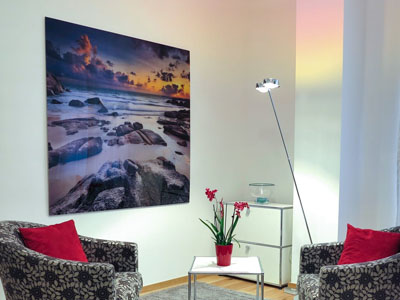
Mirror-wrap canvases are extremely versatile and can be used in nearly any interior space. Because they maintain the integrity of the original image, they function beautifully in both minimalistic and detailed environments.
Living Rooms
In living rooms, mirror wrap provides a clean, modern appearance suitable for above sofas, console tables, or entertainment walls.
It works well with artwork that needs to remain fully visible from the front, while still offering a premium border finish. Larger canvases benefit especially because the mirrored edges prevent visual distraction while still adding depth.
Bedrooms
Mirror wrap is ideal for calm, intimate spaces because it creates a soft continuation around the edges without overwhelming the room. In bedrooms, the design feels elegant and cohesive, particularly for prints such as wedding photos, family portraits, botanical scenes, or soothing landscape photography.
Hallways
Hallways often require slim, elongated canvases. Mirror wrap ensures that the sides remain visually interesting even when viewed from the side as people walk past. Because hallways typically experience more side-viewing than front-viewing, the mirror wrap enhances the display significantly.
Offices and Workspaces
In professional environments, the mirror wrap technique offers a clean, precise appearance that complements corporate interiors. It is especially beneficial for architectural photography, branded visuals, or abstract artwork.
Offices appreciate the fact that mirror wrap retains full visibility of important visual elements, ensuring no branding or structured lines wrap off the edges.
Hotels, Cafés, and Commercial Interiors
Commercial interiors often require a uniform, high-end appearance while maintaining practicality. Mirror wrap canvases blend seamlessly with modern décor schemes and provide consistency in displays.
The mirrored edges make each piece look polished from all angles, essential for hotel lobbies, restaurant seating areas, or retail environments where viewers move throughout the space.
Mirror Wrap on Different Wall Types
Where a canvas is displayed has a major impact on how the mirror wrap is perceived. Different wall textures, colours, and materials can either enhance or contrast the artwork, creating varying effects.
Plain White Walls
White walls are perhaps the most neutral and universally suitable backdrop for mirror-wrapped canvases. The mirrored edges stand out subtly without clashing with the surroundings. In minimalist homes, mirror wrap adds depth without detracting from the wall's simplicity.
Coloured Walls
A coloured wall, blue, grey, sage, mustard, or deep earth tones, benefits from a mirror wrap because the edges of the canvas integrate softly with the colours in the room. Unlike a solid colour wrap, which may or may not match the wall colour, a mirror wrap harmonises regardless of the wall shade.
Textured Walls
Textured walls, such as Venetian plaster, exposed stone, or brick, create a rich visual environment. Mirror-wrapped canvases work beautifully on these surfaces because their edges echo the internal detail of the artwork, preventing the sides from looking too flat or plain against a textured background.
Wooden Panel Walls
Wood panelling adds warmth and natural character. A mirror wrap canvas prevents visual conflict by maintaining the image theme around the sides without introducing a hard line or colour block. Photographs featuring natural tones, forest scenes, wildlife, and sepia images pair extremely well with wooden surroundings.
Wallpapered Walls
Wallpaper introduces pattern and personality. Mirror wrap is ideal here because its reflection on the sides keeps the artwork self-contained. The edges don’t distract from or compete with the wallpaper pattern. This is particularly beneficial in boutique interiors, children’s rooms, or modern luxury spaces.
How Mirror Wrap Enhances Visual Displays
Mirror wrap is especially effective when used in groups or themed displays. Whether you’re creating a gallery wall or a commercial multi-canvas installation, mirror wrap ensures uniform, polished edges that look consistent from every viewing angle.
Gallery Walls
When multiple canvases are placed together, inconsistent edges can make the arrangement look messy or mismatched. Mirror wrap solves this by providing subtle, complementary edges that maintain continuity without repeating the same colour across all canvases.
Gallery walls benefit from a mirror wrap because:
- Each piece retains its original composition
- The edges remain visually cohesive
- Side viewing angles look consistent
- The overall layout appears intentional and refined
The technique is particularly effective in staircases, hallways, and living rooms where displays stretch across large areas.
Multi-Panel Canvas Sets (Splits and Triptychs)
Split canvases where a single image is spread across multiple panels require flawless alignment. Mirror wrap ensures each panel has matching edges without cutting off the central image. When combined, the pieces maintain full-image harmony, and the sides provide natural continuity.
Art Exhibits and Professional Displays
Mirror wrap provides a gallery-quality edge finish without distracting from the artwork itself. Photographers frequently use mirror wrap for exhibitions because the technique preserves every detail of the original photograph while offering a finished, professional presentation.
Retail and Hospitality Displays
Retail stores, hotels, bars, and cafés require wall displays that look good from all angles. Guests often view artwork from the side as they move around the space.
- Mirror wrap ensures that:
- The artwork appears complete from any direction
- The edges don’t distract or appear mismatched
- The canvas blends effortlessly into the environment
This makes mirror wrap an excellent choice for high-traffic interiors.
When Mirror Wrap Works Better Than Gallery Wrap
Gallery wrap, where the original image continues naturally around the edges, is beautiful but only when the photo has ample margin. If the subject matter sits too close to the edges, the gallery wrap becomes problematic.
Mirror wrap offers a solution that retains the gallery-wrap look without disrupting the composition.
Mirror wrap is superior when:
- The subject is near the borders
- The photo contains text or logos
- Architectural shapes or lines must remain straight
- Faces or heads are close to the edge
- The image lacks background or negative space
- You want a wrapped-edge look without cropping
Instead of chopping off important parts of the photo, mirror wrapping preserves every detail.
When Mirror Wrap Works Better Than Colour Wrap
A colour wrap uses a solid colour on the edges. While simple and elegant, it does not always blend well with the original image or interior décor.
The wrong edge colour can even make a canvas appear mismatched or abrupt. Mirror wrap avoids these issues because it extends the natural colours and textures of the image itself.
Mirror wrap is the better choice when:
- You want a polished, premium look
- The artwork features complex patterns
- The background colour does not match your wall
- You need a seamless continuation of the design
- You want to avoid guesswork about which colour to choose
Mirror wrap ensures that the edges complement the artwork instead of standing out sharply.
Mirror Wrap for Large Format Prints
Large canvases, especially those above 30 inches, are far more demanding in terms of visual coherence. When displayed on big walls, the sides of a canvas become more noticeable.
Mirror wrap enhances these prints by providing a subtle but intentional continuation on the edges, helping the canvas maintain presence without overwhelming the room.
For oversized prints, mirror wrap provides:
- A smooth, consistent wrap with no distortion
- Full preservation of the original photo
- Natural-looking edges when viewed from the sides
- A professionally finished appearance suitable for large interiors
Top Interior designers often prefer mirror wrap for oversized prints in hotels, office lobbies, and modern homes.
Choosing the Right Image for Mirror Wrap
Mirror wrap works with almost any image, but some images benefit from it more than others.
Images Perfect for Mirror Wrap
- Portraits
- Macro photography
- Architectural shots with straight lines
- Images with busy edges
- Photos with subjects near borders
- Graphic designs with text
These image types typically cannot be gallery-wrapped without cropping, making mirror wrap the ideal choice.
Images Less Suited to Mirror Wrap
While rare, some images may not look ideal with mirrored edges, for example, photos with sharply contrasting patterns at the borders. In such cases, a colour wrap or framed canvas may be better.
However, skilled designers can usually mirror-wrap even complex images subtly enough that the edges feel natural.
Mirror Wrap vs Framed Canvas
Framed canvases contain a floating frame or shadow box around the artwork. These frames often hide the edges entirely. Mirror wrap is unnecessary for framed canvases unless you want the option of displaying the canvas unframed later.
Mirror wrap is ideal when:
- You want a frameless, modern look
- You prefer the aesthetic of wrapped edges
- The artwork needs to stand alone without external framing
Floating frames pair beautifully with mirror wrap as well, because the mirrored edges create a visual continuation while the frame adds elegant depth.
Maintenance and Durability
Mirror wrap does not affect the longevity of a canvas. The durability relies on the same factors as any high-quality canvas:
- Premium canvas material
- UV-resistant pigment inks
- Proper wood stretcher bars
- Correct tension during stretching
- Protective varnish or laminate
A mirror-wrapped canvas can last decades with minimal care. Routine dusting and avoiding direct sunlight are usually enough to preserve the colours and structure.
Why Mirror Wrap Is One of the Best Edge Styles in Canvas Printing
Mirror wrap is one of the most versatile, practical, and aesthetically pleasing choices for canvas edges.
It preserves the original composition of the artwork while adding continuity around the sides, making it ideal for both personal and professional use.
Whether displayed on textured walls, minimalist interiors, modern business environments, or themed gallery walls, mirror wrap ensures the artwork always appears complete and visually balanced from every angle.
Its ability to adapt to different wall types, match a wide range of décor styles, and enhance displays makes it a preferred option for homeowners, photographers, artists, interior designers, and commercial installers.
Mirror wrap provides a unique combination of preservation, beauty, and practicality, qualities that make it one of the most valuable techniques in the world of canvas printing.